


“نهاية النظام العالمي”.. راي داليو يحذر من “قانون الغابة” وعودة صراعات القوى العظمى
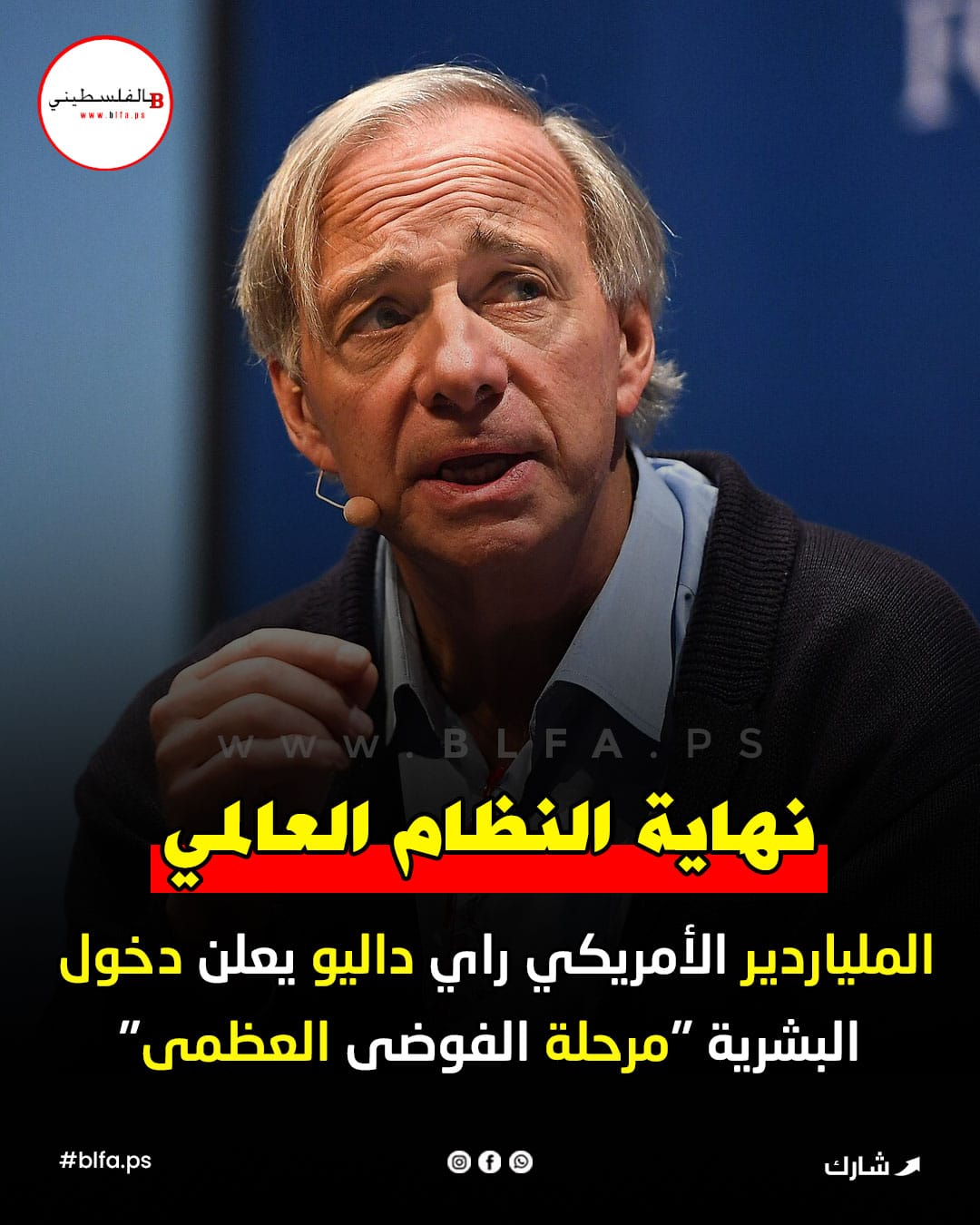
بالفلسطيني – في واحدة من أكثر اللحظات كشفاً للمستقبل الجيوسياسي منذ نهاية الحرب العالمية الثانية، خرج مؤتمر ميونيخ للأمن برسالة صادمة اتفق عليها كبار قادة العالم: “النظام العالمي الذي عرفناه قد انتهى”. هذا التحول الجذري وجد فيه المستثمر الأميركي الشهير، راي داليو، دليلاً قاطعاً على دخول البشرية “المرحلة السادسة” والأكثر خطورة في دورتها التاريخية الكبرى؛ وهي مرحلة غياب القانون الدولي وعودة منطق “القوة الخالصة”.
إعلان الوفاة من ميونيخ
استند داليو في تحليله إلى تصريحات غير مسبوقة في صراحتها؛ حيث أعلن المستشار الألماني فريدريش ميرتس سقوط النظام العالمي القديم، بينما دعا الرئيس الفرنسي إيمانويل ماكرون أوروبا للاستعداد لسيناريو الحرب. وفي الجانب الآخر من الأطلسي، أكد وزير الخارجية الأميركي ماركو روبيو أن العالم دخل عصراً جيوسياسياً جديداً بالكامل، متجاوزاً قواعد ما بعد عام 1945.
بالنسبة لداليو، ليست هذه التصريحات مجرد مناورات دبلوماسية، بل هي “علامة تاريخية” تؤكد الانتقال إلى مرحلة الفوضى، حيث تتآكل المؤسسات الدولية ويصبح ميزان القوى العسكرية والاقتصادية هو المرجع الوحيد لحسم النزاعات.
قانون الغابة وعجز المنظمات الدولية
يوضح داليو أن النظام الدولي كان دائماً “هيكلاً هشاً” يفتقر إلى سلطة تنفيذية حقيقية (شرطة وقضاء دولي فعال). ومع تصاعد الصراع، تعود الدول سريعاً إلى “قانون الغابة”، حيث لا مكان للتحكيم القانوني، بل تسود لغة التهديد، والمساومة، والردع المتبادل.
ويرى داليو أن الصراع الدولي اليوم يتشكل في 5 ساحات متداخلة:
- الحروب التجارية: فرض الرسوم والقيود.
- حروب التكنولوجيا: السباق على الذكاء الاصطناعي والرقائق.
- حروب الرساميل: العقوبات وتجميد الأصول.
- الصراعات الجيوسياسية: مد النفوذ والتحالفات.
- الحروب العسكرية: المواجهة المباشرة أو بالوكالة.
تايوان.. الاشتباك الوجودي ودروس التاريخ
يحذر داليو من أن الحروب الكبرى لا تندلع فجأة، بل تسبقها سنوات من المواجهات المالية والتكنولوجية، وهو ما يراه يتحقق اليوم في الصراع الأميركي-الصيني حول تايوان، واصفاً إياه بـ “الاشتباك الوجودي بين قوتين متقاربتين”.
ويستحضر داليو درساً تاريخياً مكرراً: “فترات الازدهار الطويلة تمهد دائماً لصدامات دامية”. فعندما تتضخم قوة دول وتضعف أخرى، يصبح النظام القديم عاجزاً عن احتواء الطموحات الجديدة. كما حذر من “الحروب الغبية” التي قد تنفجر بسبب التصعيد الشعبوي أو سوء الفهم، واضعاً قاعدة ذهبية: “امتلك القوة، احترم القوة، واستخدمها بحكمة”.
اقتصاد الحرب: الذهب هو الملاذ الأخير
في قراءة اقتصادية قاتمة، يستذكر داليو كيف مهد “الكساد الكبير” الطريق لصعود الشعبوية ثم الحرب العالمية الثانية. ويشير إلى أن الاقتصادات في حالة الحرب تخضع لتحولات جذرية تشمل:
- فرض قيود صارمة على حركة رؤوس الأموال والأسعار.
- تحول الإنفاق بالكامل نحو التعبئة العسكرية.
- فقدان الديون لقيمتها نتيجة “طباعة النقد” المفرطة.
- بروز الذهب كأصل وحيد وموثوق للتبادل.
نظام جديد يُكتب بالدم؟
يخلص داليو إلى أن جميع القوى العظمى تخضع لدورة (صعود، ذروة، أفول). وفي حين تنسحب بعض الدول بهدوء، تختار أخرى الصدام لإعادة رسم الخرائط. ويرى أن النظام الذي صِيغ عام 1945 قد لفظ أنفاسه الأخيرة، وأن العالم يقف الآن أمام خيارين لا ثالث لهما: إما تسويات عقلانية تحفظ التوازن، أو حرب مكلفة تعيد هندسة العالم بالقوة وتكتب قواعد النظام الجديد بالدم.